
November garden checklist
UNIVERSITY OF MINNESOTA EXTENSION - www.extension.umn.edu

Mystery of the month
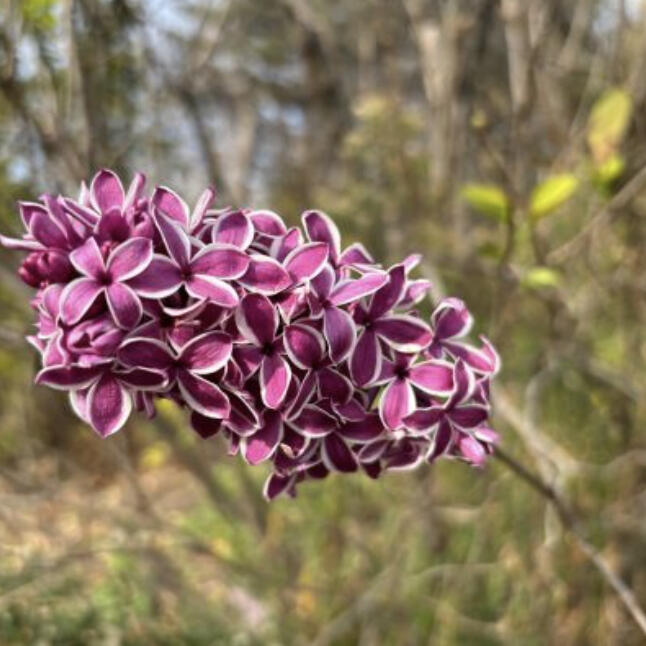
Why are these lilacs blooming in late fall?
The answer is at the bottom of this article.
Pests and diseases
Observe any irregular growths or damage to your perennial woody plants once the leaves drop. November is a great time to mark branches for removal later in the winter and to hone your pest and disease identification skills. Proper disease and pest identification is critical, so you can choose the best management strategy for your plants.
Trees and shrubs
Mulch with what you have.
If you have loads of tree leaves still blanketing your lawn, rake them into your garden beds to protect tender perennials and build up soil organic matter. You can rake 6 to 8 inches of leaves into the bed. Leaves do not insulate as well as straw, because they tend to smash down and form a mat.
If you do have leftover straw bales, you can use them to cover your plants. For most plants, take the bale apart and fluff up the straw rather than dropping the mats onto the plants. This will better insulate the plants.
Regardless of the mulch you use, remember to pull any mulch away from the crowns of your plants in the spring.
Flowers and other garden plants
Protect spring-flowering bulbs, like tulips and crocus, from squirrels and chipmunks.
Lay hardware cloth over areas planted with bulbs and secure it with landscape staples. This can reduce the number of bulbs that are dug up and eaten by critters above ground.
In early spring, remove the hardware cloth to let the leaves and flower buds grow. If you leave the hardware cloth down while the plants are trying to grow, you will end up with deformed plants.
You can also put a cage around the area now, so you do not have to do it in spring when rabbits and deer come to enjoy the first plants of spring.
Houseplants
Plant paperwhites in containers now if you want blooms during the December holiday season. Paperwhites, unlike daffodils, do not need to be chilled in a fridge for weeks to bloom.
- Plant them close together, but not touching, with only their tips exposed in a 3- to 5-inch deep pot with drainage holes.
- Place the pot on a tray and water until it begins coming out of the drainage holes. Pour off any excess water that pools in the tray.
- Place the pot and tray in a cool, sunny location.
- Water as needed to keep the soil moist but not wet. The bulbs should bloom in 4 to 8 weeks.
- Once they start to bloom, move them out of direct light to prolong the life of the flowers.
Lawn

Excessive tree leaves left on the lawn over winter can cause some winter injury, like in this boulevard.
You may find that the lawn is done growing, but you still need to mow to mulch or collect tree leaves.
Mulching tree leaves is always recommended, but too many tree leaves left on the lawn over winter can promote snow mold and other winter injuries and ultimately create space for weeds to encroach.
If you see more tree leaves than grass, it is probably a good idea to bag the leaves and use them as mulch elsewhere or compost them (see the section above on Trees and shrubs for one way to use your leaves).
Don’t wait for the final trees to drop their leaves to mow; mulch the leaves as needed. Mother Nature can be unpredictable, and you may not get another chance this fall or winter.
Other tasks
Mark where you planted bulbs and other perennials that die back to the ground. When spring rolls around, you’ll be less likely to accidentally dig up areas you have already planted.
Solution to the mystery of the month

Lilacs may be blooming in fall for a few reasons. Note: these are not listed in any particular order.
Stress caused them to bloom.
- Drought, excessive heat, defoliation from pests and diseases, and poor plant maintenance practices can increase the likelihood of shrubs blooming in fall.
- Even mature hedges need watering during dry periods in the growing season.
- Plants should also be pruned to encourage good airflow within the plant canopy and between plant canopies.
- Watch this YouTube Hort Short that shows a stressed lilac blooming in fall.
Some are bred to rebloom!
- Bloomerang® lilac, for example, will bloom again after its initial spring showcase!
Don’t worry if your lilacs rebloomed this fall. Typically, less than 20% of the blooms that would flower next spring are blooming now. You should still have a lovely spring display next year.
Just make sure to care for your lilac shrubs if they come under any of the stressors listed above.
