

A Minnesota guide to garden timing
UNIVERSITY OF MINNESOTA EXTENSION - www.extension.umn.edu
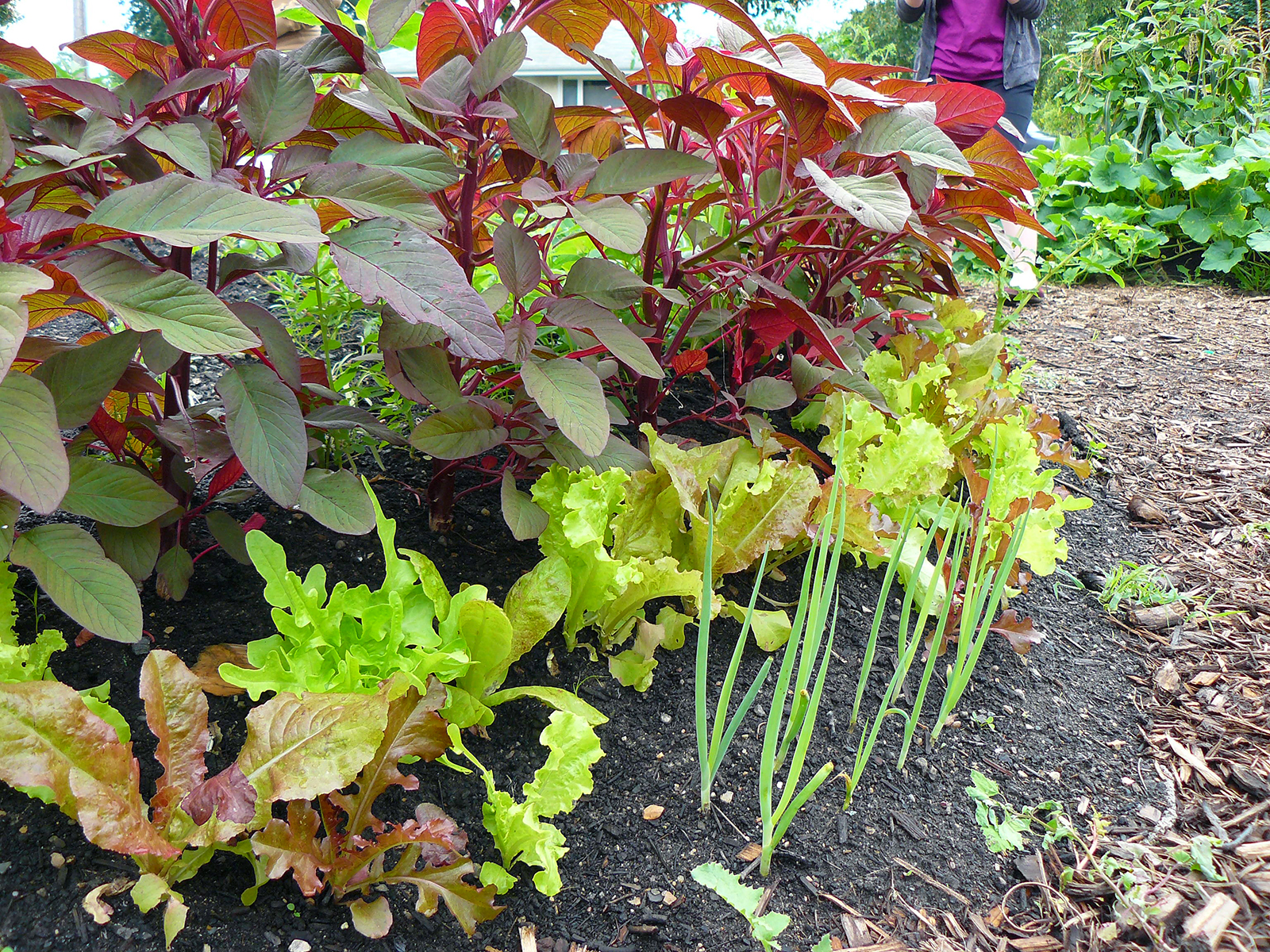
Amaranth, lettuce and garlic are early cool-season crops.
The spring weather we’ve been experiencing lately has confused wildlife, plants, and gardeners alike. Before you rush to plant seeds or seedlings, it helps to pause and plan.
In Minnesota, successful gardening starts with good timing. With wide temperature swings, late frosts, and a short growing season, planting based on soil temperature, air temperature, and crop type is far more reliable than following the calendar alone.
Southern Minnesota gardeners can often plant one to two weeks earlier than northern gardeners, where soils warm more slowly, and frost risk lasts longer. Raised beds and black plastic can help warm the soil faster in spring.
Most importantly, patience pays; waiting for the right conditions leads to healthier plants and better harvests. In Minnesota, successful gardening isn’t about planting early; it’s about planting smart.
Know your frost-free date
Average last frost dates range from early May in southern Minnesota to late May or early June in northern areas.
A few warm April days can be deceiving, as overnight freezes and cold soil often persist well into May. Always check local forecasts and keep your specific location in mind.
Soil temperature matters
Soil temperature plays a big role in seed germination and healthy root growth. Cold soil slows growth and increases the risk of rot and disease. For the most accurate planting guidance, use a soil thermometer placed about 4 inches deep.
If you live in an agricultural area, you can also take a cue from local soybean farmers. When you see them planting, conditions are usually right to begin planting most garden crops.
Early, cool-season crops can be planted when soil temperatures reach 40-50°F, usually from late April to early May. These plants tolerate cold soil, light frosts, and include peas, spinach, lettuce, radishes, carrots, beets, kale, Swiss chard, onions grown from sets or transplants, and potatoes.
Many cool-season vegetables thrive in spring weather but may bolt or turn bitter if planted too late.
Air temperature and frost risk
While soil temperature affects growth, air temperature determines survival. A light frost (32°F) can damage tender plants, while a hard frost (28°F or colder) will kill most warm-season crops. Frost cloths or row covers can help protect early plantings when temperatures dip.
Moderately warm-season crops do best when soil temperatures reach 55-60°F, typically from mid- to late May. Broccoli, cabbage, cauliflower, and Brussels sprouts are cold-tolerant above ground but establish stronger roots once the soil has warmed.
Heat-loving crops should wait until soil temperatures reach 65°F or warmer and all danger of frost has passed, usually from late May to early June. This group includes tomatoes, peppers, cucumbers, squash and pumpkins, beans, corn, basil, and melons. Planting these too early often leads to slow growth, yellowing leaves, and reduced yields, even if the plants survive.
