

Holiday cacti: a bit of Brazil in a northern winter
UNIVERSITY OF MINNESOTA EXTENSION - www.extension.umn.edu
I never met my great-grandmother, but I heard great stories about her. One tangible legacy she passed down was her Holiday cactus (Schlumbergera species).
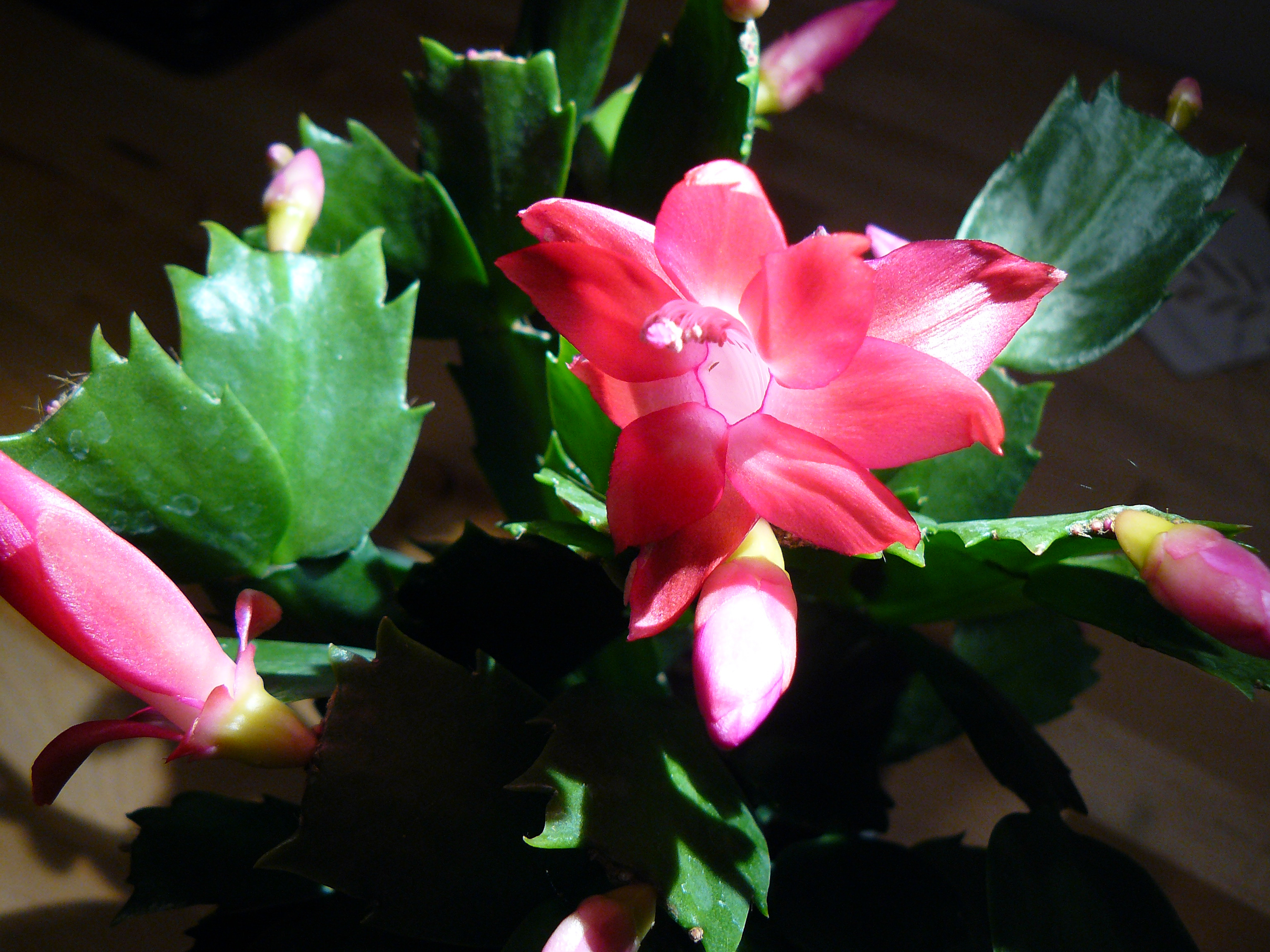
Christmas cactus
My aunt, mom, and grandmother all have a cutting of the original mother plant. All cacti are currently alive, and at least one has survived repeated munching from cats.
Holiday cacti rival peonies for longevity, and our family’s cuttings have been around at least since the ’70s. To give you an idea of exactly how long they can thrive, one Holiday cactus from North Dakota clocked in at 111 years old in 2013.
Bird-friendly blooms
Another reason Holiday cacti are so interesting lies in their distinctive, bright colored blooms. The long flowers can attract hummingbirds, who sip nectar and aid in their pollination. Most Holiday cacti are not self-compatible, so they cannot produce seeds without the aid of birds in the wild.
While there is some debate among scientists, the pinkish-reddish flower color of Holiday cacti does not automatically mean hummingbirds love it. Other things such as the size or shape of flower parts might make Holiday cacti and other similarly pollinated plants attractive to birds.
True to their name, Holiday cacti start their flowering process when nights get longer and temperatures drop to around 55 to 65 °F; that's when flower budding starts. In Minnesota, we have plenty of nighttime to spare in late fall and winter, and a cactus that is near a wintry window can easily hit that temperature range.
Easter cacti (Schlumbergera gaertneri) are an exception, as they flower when the days get longer (and the nights shorter) in the spring. Other aspects such as soil nutrient levels also may play a role in blooming.
Hardy houseplant from Brazil

Holiday cacti’s range in Brazil. Graphic by Raphael Lorenzeto de Abreu and Peter Coxhead, CC BY 2.5, via Wikimedia Commons
Holiday cacti are resilient to disease and pests—though not hungry cats—and can tolerate some neglect. Most issues arise from overwatering, as is the case for most succulents and cacti species. In general, water them only when the soil dries thoroughly. On occasion, fungal rots can occur, but using good quality potting soil, adequate drainage and proper watering should head off these problems.
One reason these plants are so robust lies in their homeland, southeastern Brazil. Wild Holiday cacti thrive in well-drained, rocky areas or even on tree surfaces. Specifically, these plants can be found along the Serra do Mar, a Brazilian mountain range that juts up against the coastal city of Rio de Janeiro.
You may notice that a Holiday cactus may require a bit more water than a typical cactus. Due to the unique meshing of ocean, rainforest, and mountain in the Serra do Mar area, these Holiday cacti tend to prefer a higher humidity than their succulent relatives.
Wild Holiday cacti at risk
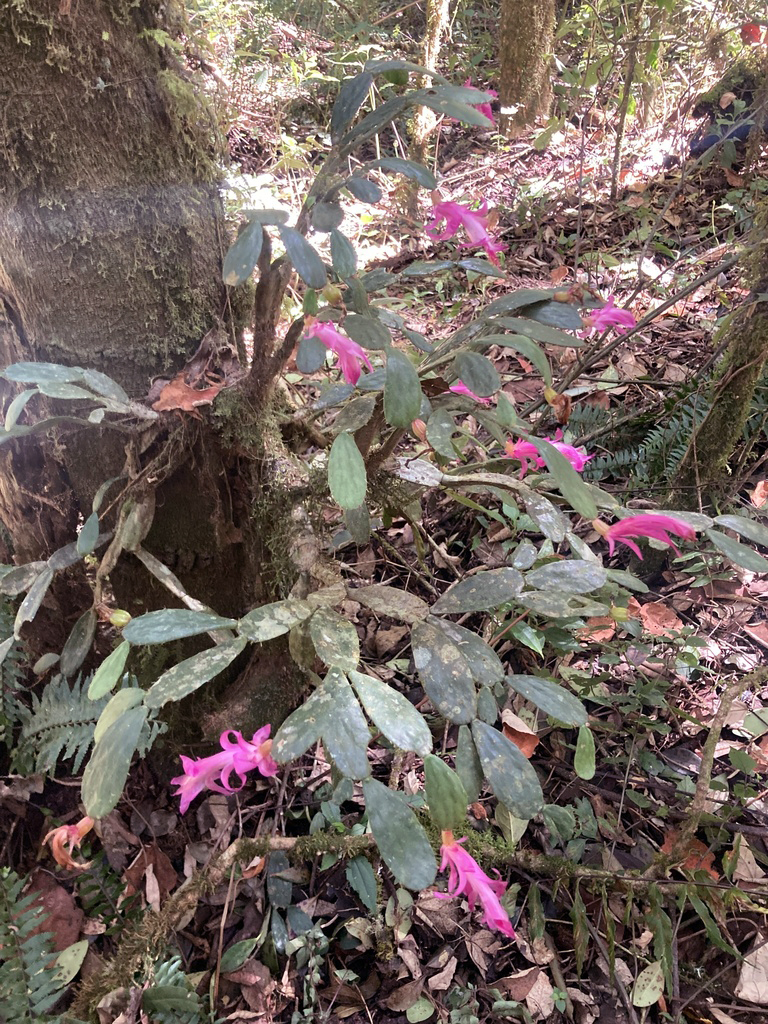
A native Holiday cactus growing on a tree. Photo: Peter Abrahamsen, CC BY-NC 4.0, via iNaturalist
Despite their toughness, many Holiday cacti—including the species you likely have at home—are classified as endangered or vulnerable in their native habitat. Their native forests are threatened by overdevelopment, and these plants are frequently poached.
Holiday cacti make a good target since they are tough and can be easily uprooted and repotted. The trafficking of illegally gathered plants is not just a problem in Brazil, but around the world. This is true here in Minnesota, as Lady’s slippers (Cypripedium spp.) are a target at public parks.
When purchasing Holiday cacti at a store, ask questions about how they are propagated or acquired, and be wary when ordering plants from unfamiliar websites. Poachers tend to sell their rare plants online.
A Holiday cactus is a great houseplant with an interesting, bittersweet story in the wild. During the dreary, frigid times of winter, it can help immensely to have a dash of tropical color to brighten your house. Better still, you can share that joy with your family, hopefully for decades to come.
