
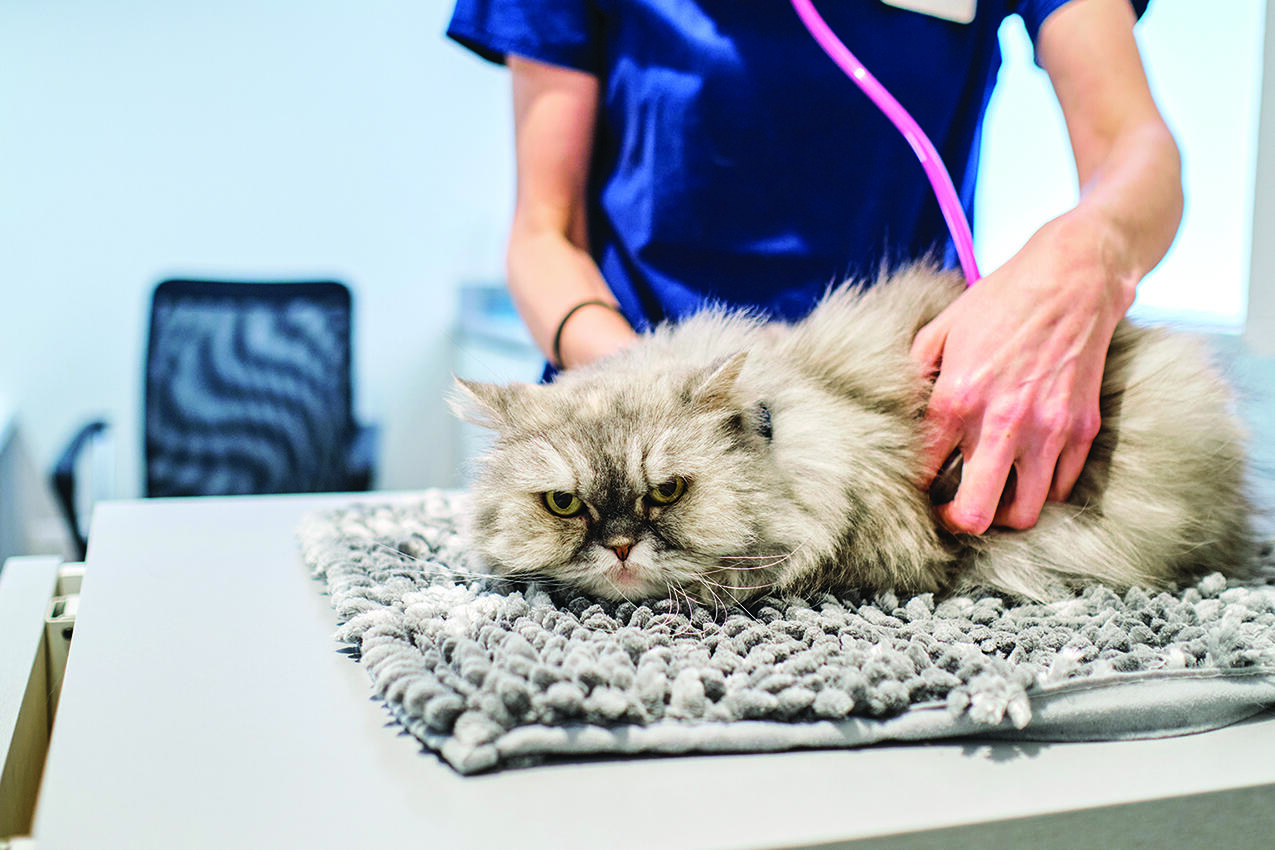
How to manage a pet emergency
When a person experiences a medical emergency, people may know the steps to take to get prompt assistance. Responding to an emergency typically involves administering first aid, calling trained emergency technicians and an ambulance, or driving to a hospital for care. But people may not know how to handle a situation when a pet experiences a medical emergency.
In a pet emergency, it is important for individuals to remain calm. Injured pets can be unpredictable and lash out when in pain or if they are frightened. A measured and cautious approach is essential, even for pets that are normally docile. According to Veg ER for Pets, the following steps should be followed during a pet emergency.
· Assess the situation. Look closely at your pet and see if you can identify what is wrong. A severe injury or broken bone may be evident. If a pet is sick but you don't know why, pay close attention to the symptoms and behavior so that information can be relayed to a veterinarian. The ASPCA says signs that emergency care may be necessary include pale gums, rapid breathing, weak or rapid pulse, changes in body temperature, difficulty standing, paralysis, seizures, excessive bleeding, and loss of consciousness.
· Call a poison hotline. Curious pets often get into all kinds of mischief, and that can include eating or drinking items that are unsafe. Even some plants can be toxic if ingested. Before administering care or inducing vomiting, it's important to discuss with a professional. The ASPCA's pet poison control number is 888-426-4435 or the Pet Poison Helpline is 866-764-7661.
· Try to calm your pet. Pets in pain may try to run away or bite. Always approach the pet slowly. Muzzle a dog if necessary, and drape a thin towel over the cat's head to keep the animal from biting you. Speak calmly and assuredly to the pet to help calm them down.
· Know your care options. If it is during business hours, you can call your veterinarian and see if they can check on the pet. If it's after hours, contact the nearest 24-hour pet emergency center in the area and take your pet there for care. In some instances, care can be administered at home. First aid like removing choking blockages or performing a modified Heimlich maneuver may be possible. You also may be able to administer CPR to help your pet until a vet can take over.
A suffering pet can make pet owners extremely nervous. But slowing down, assessing the situation and seeking care can typically result in a happy outcome.
